

Back Lift
Address excess skin folds to improve posture, clothing fit, and upper body comfort.
How Back Skin Changes Affect Upper Body Balance
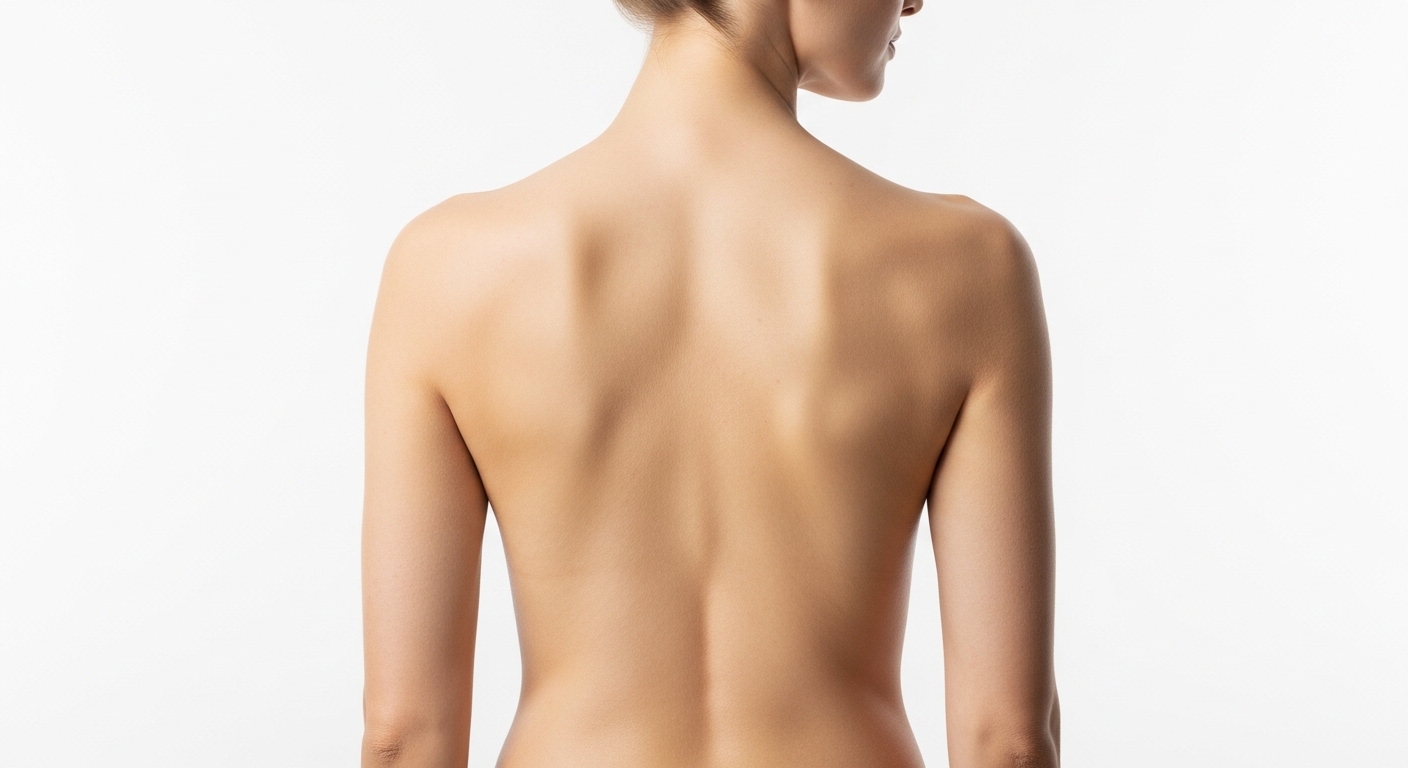
The human back is a complex interplay of muscle, bone, and skin that supports our ability to stand, move, and lift. However, when significant changes occur in body volume—whether through substantial weight loss, natural aging, or shifts in hormonal balance—the skin does not always retract to match the new underlying structure. This results in tissue redundancy, where excess skin hangs loosely rather than sitting taut against the muscle.
While often viewed through a purely visual lens, this excess tissue creates a functional imbalance. The physical weight of hanging skin, particularly in the upper and mid-back regions, exerts a continuous, subtle drag on the body. Over time, this can alter your center of gravity and change how you hold yourself. A back lift is not merely about smoothing a surface; it is a restorative procedure designed to alleviate this physical burden. By removing the redundant tissue, we aim to restore a sense of lightness and equilibrium to the upper body, allowing for more natural movement and a balanced physical profile.
The Relationship Between Skin Folds and Posture Awareness
There is a profound connection between how our body feels and how we position it in space. When individuals carry excess skin folds on the back, they often develop subconscious habits to compensate for or conceal the tissue. You might find yourself rounding your shoulders forward or hunching slightly—a protective posture adopted to minimize the sensation of skin folding against itself or to hide the contours from view.
This chronic poor posture can lead to secondary issues, such as tension headaches, neck strain, and shoulder fatigue. The presence of deep skin folds can also create physical discomfort during movement, as the skin may rub or chafe, prompting you to limit your range of motion. Back lift surgery addresses the root cause of these postural deviations by excising the loose tissue. When the skin is taut and the physical obstruction of the folds is removed, patients often report an immediate improvement in “posture awareness.” Standing tall becomes physically easier and mentally more comfortable, breaking the cycle of slouching and concealment.
Why Back Skin Excess Becomes Visible Through Clothing
One of the most common frustrations for those considering this procedure is the difficulty of finding clothing that fits properly. Standard sizing is designed for bodies with relatively smooth contours, not for figures with significant skin laxity. When excess skin is present on the upper back, it disrupts the silhouette, creating visible lines, bulges, or irregularities that show through shirts, blouses, and dresses.
This is often referred to as the “bra-line” issue, though it affects men and women alike. Tight-fitting garments or undergarments can dig into the excess skin, accentuating the folds and creating discomfort. You may find yourself sizing up in clothing solely to accommodate the back area, leaving the rest of the garment ill-fitting and baggy. Upper back skin removal helps resolve this conflict between body and fabric. By smoothing the canvas of the back, the procedure allows clothing to drape naturally. The goal is to allow you to wear the sizes that actually match your frame, rather than dressing to hide a specific area.
Understanding Back Contour Beyond Aesthetics
While the visual improvement is significant, the decision to undergo a back lift is often driven by factors that go far beyond aesthetics. The presence of deep skin folds can create a micro-environment that is difficult to keep clean and dry. In warmer climates or during exercise, moisture can become trapped within these creases, leading to irritation, rashes, or even localized infections. This physical discomfort can be a daily distraction, turning routine activities into sources of irritation.
Furthermore, the sensation of loose tissue moving independently from the body during exercise—such as running or jumping—can be physically uncomfortable and discouraging. It can create a barrier to an active lifestyle, which is particularly disheartening for individuals who have worked hard to lose weight. Addressing the back contour is about restoring functional comfort. It is about eliminating the physical distraction of excess skin so that you can move through your day, exercise, and rest without constant awareness of your back tissue.
Situations Where Back Lift Surgery May Be Considered
Back lift surgery is generally considered when non-surgical methods are insufficient to address the degree of skin laxity present. The most common scenario involves patients who have undergone massive weight loss (MWL), either through bariatric surgery or diet and exercise. In these cases, the skin has been stretched for a prolonged period, damaging the elastin fibers to a point where they cannot snap back once the fat volume is reduced.
However, this procedure is also relevant for individuals experiencing age-related laxity, where the natural breakdown of collagen leads to sagging skin that diet and exercise cannot tighten. It may also be suitable for those with genetic predispositions to skin laxity in the upper torso. If you have stable weight but are left with persistent folds that affect your comfort and clothing fit, this procedure provides a structural solution that lifestyle changes alone cannot achieve. It is a step toward aligning your physical form with your health efforts.
Differentiating Back Lift Surgery from Back Liposuction
A critical distinction must be made between a back lift and back liposuction, as they address fundamentally different problems. Liposuction is a volume-reduction tool; it is designed to remove subcutaneous fat deposits. It relies on the skin’s inherent elasticity to retract over the smaller volume. If liposuction is performed on a back that already has loose, inelastic skin, it will likely exacerbate the problem, leaving the skin looking even more deflated and saggy.
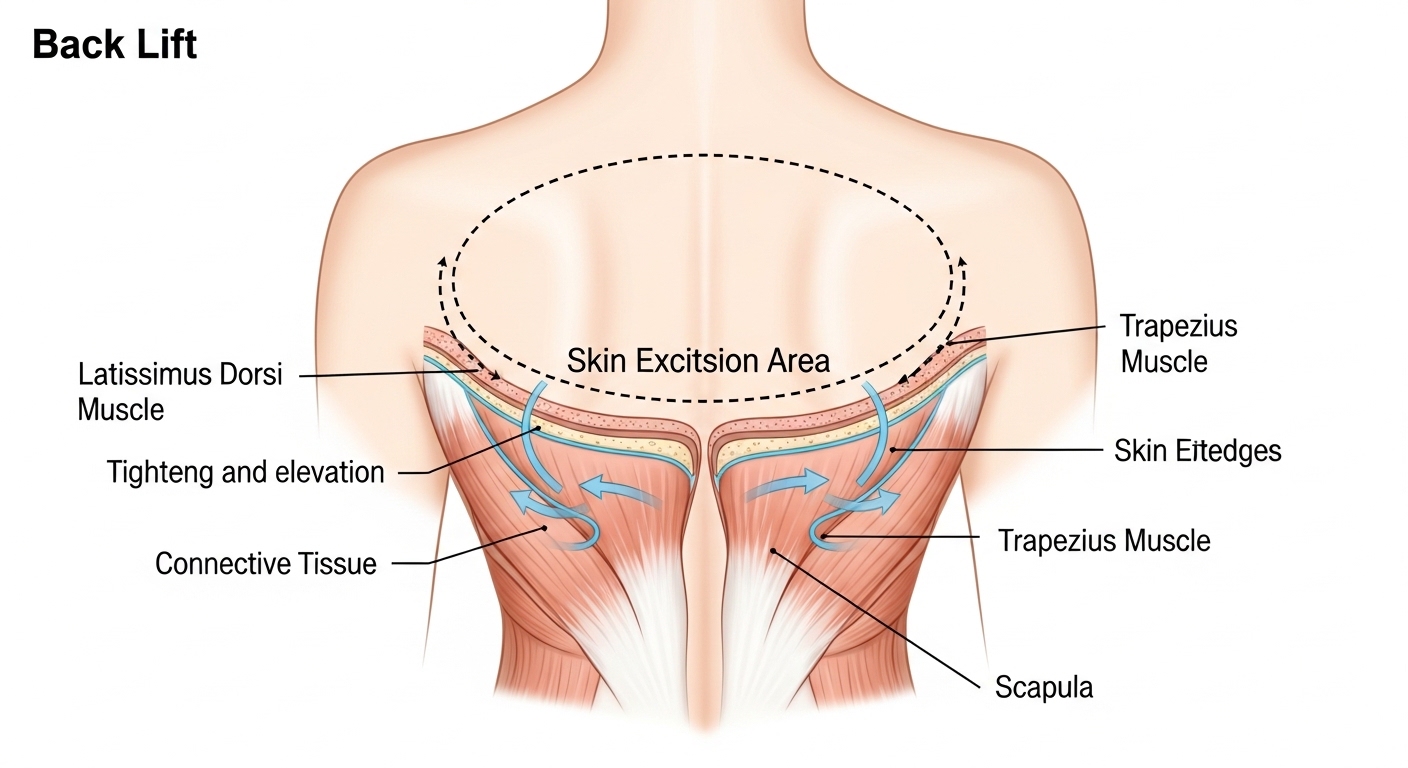
Back lift surgery, in contrast, is an excisional procedure. Its primary mechanism is the removal of the skin itself, along with the underlying tissue that causes the folding. While some limited liposuction might be used as an adjunct to contour the edges of the surgical area, the main goal is tightening and smoothing, not debulking fat. If your concern is “rolls” caused by loose skin rather than thick fat pads, a lift is the anatomically correct intervention. Understanding this difference is vital for setting realistic expectations and choosing the right surgical path.
Skin Quality, Elasticity, and Surgical Planning
The success of upper back skin removal relies heavily on a thorough assessment of skin quality. During surgical planning, we evaluate the skin’s thickness, its pliability, and, most importantly, its elasticity. We perform “pinch tests” and simulation maneuvers to determine how much tissue can be safely removed without creating excessive tension on the incision line.
Patients with thinner, crepey skin may require a different technical approach than those with thicker, heavier tissue. The location of the laxity—whether it is concentrated in the upper back, near the armpits, or extends to the mid-back—dictates the surgical design. We map the “zones of adherence,” which are areas where the skin is naturally more tethered to the underlying structure. The surgical plan is a geometric puzzle, designed to maximize smoothness while respecting the biomechanical limits of the skin to ensure proper healing and range of motion.
Overview of Back Lift Approaches (Non-technical)
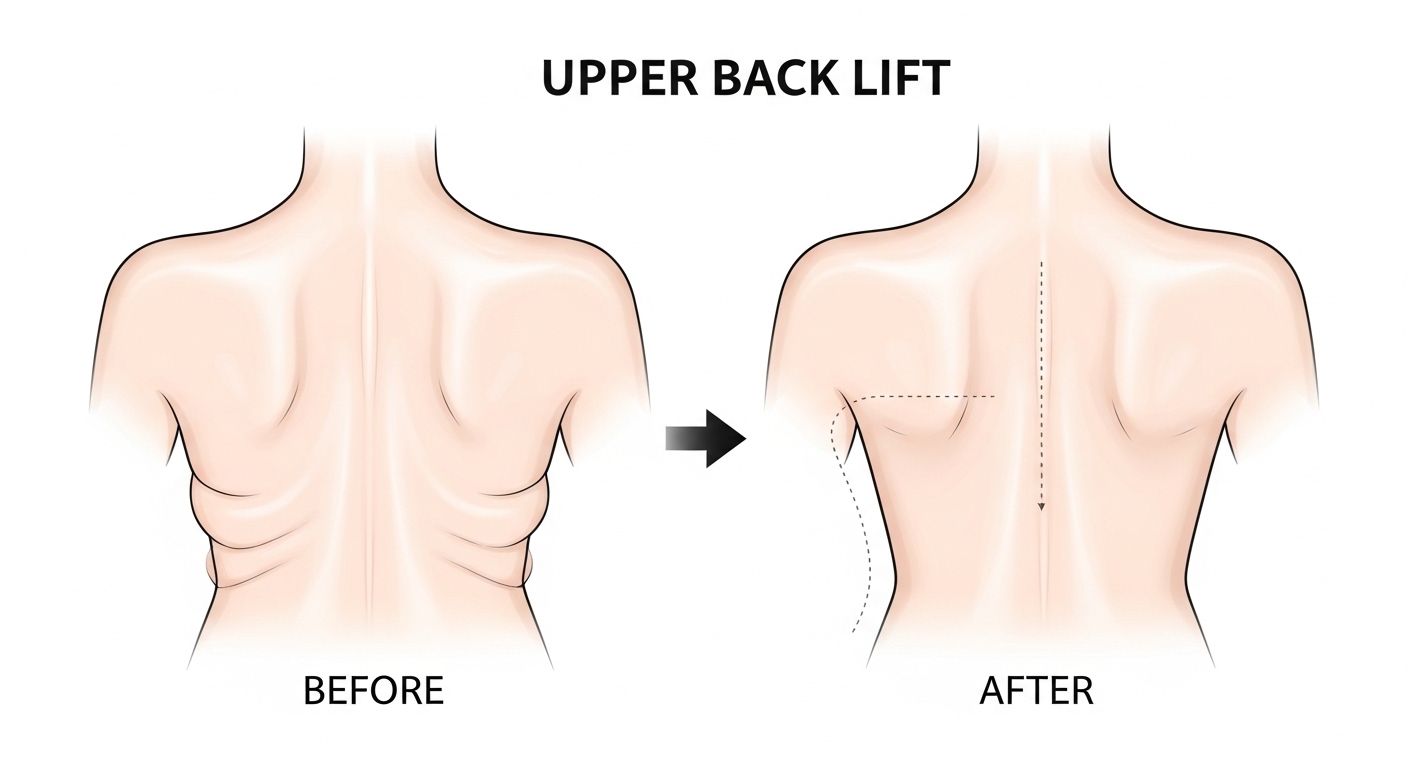
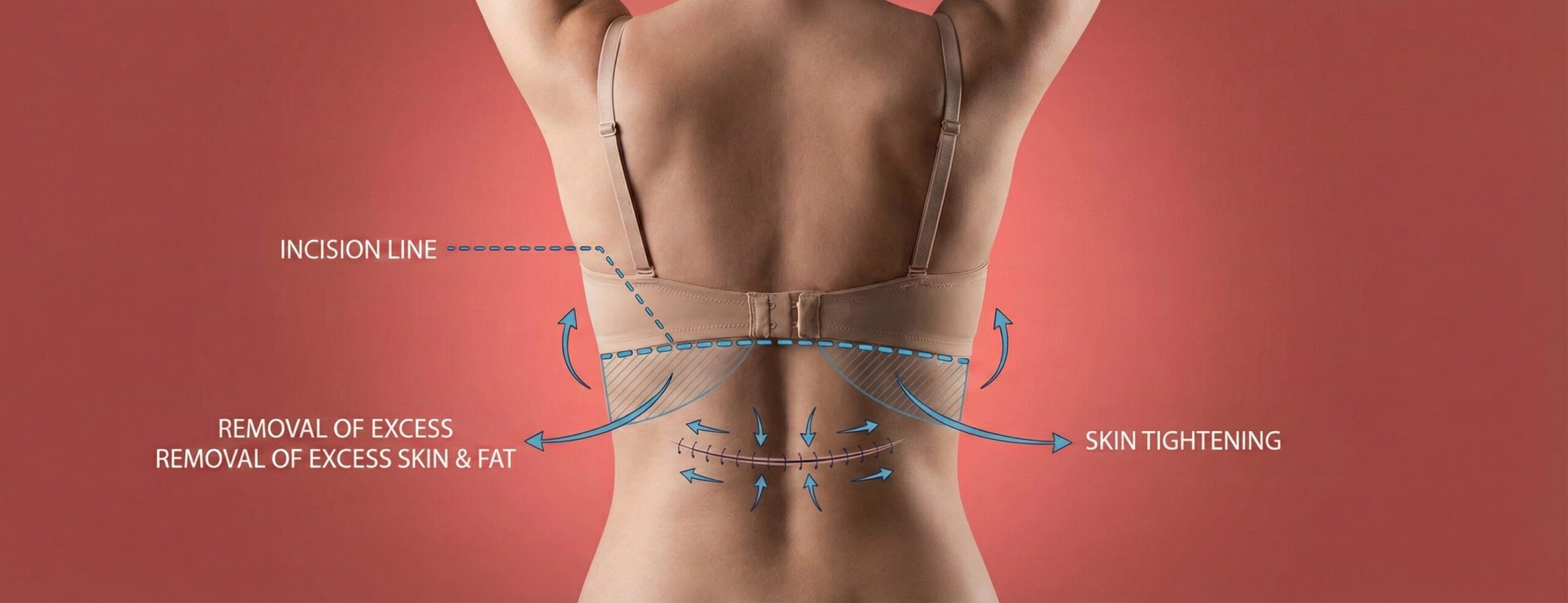
There are generally two main approaches to back lift surgery, and the choice depends on where the excess skin is located. The most common technique is the “transverse” or “bra-line” back lift. In this approach, the incision is placed horizontally across the back, typically designed to be hidden underneath the band of a bra or a swimsuit top. This allows for the removal of significant vertical redundancy—the rolls that stack on top of each other.
The second approach is the “vertical” back lift, which may be more appropriate for patients who have excess tissue extending from the armpit down the side of the torso. Sometimes, a combination of these extensions is necessary. The priority in every approach is strategic scar placement. While the incision is significant, the goal is to position it in a natural shadow line or an area easily covered by clothing. We work with you to understand your preferred clothing styles to place the incision in the most discreet location possible for your lifestyle.
Adaptation Period After Back Lift Surgery
Recovering from a back lift requires patience and a respect for the healing process. Immediately following the procedure, you will experience a sensation of tightness across the back. This is not just swelling; it is the feeling of the skin being redraped and tightened. You will likely be instructed to wear a compression garment, which acts as a second skin to support the tissues, minimize swelling, and prevent fluid accumulation.
During the initial adaptation period, your range of motion will be restricted. Reaching high overhead or making sudden twisting movements will be limited to protect the incision line. Sleeping positions may need to be adjusted to avoid putting direct pressure on the healing area. Most patients find that they can return to desk work within two weeks, but strenuous upper body exercise will need to be paused for a longer period. This “quiet time” for your body is essential to ensure the scars heal flat and fine.
Long-Term Changes in Back Skin Behavior
A back lift offers a long-term improvement to body contour, but it does not stop the clock on aging or gravity. Once the excess skin is removed, the remaining skin will still be subject to natural biological processes. However, because the most damaged and inelastic skin has been excised, the back contour generally remains much smoother and firmer than it was prior to surgery.
Over time, the scars will mature. Initially red or raised, they will fade and flatten over the course of 12 to 18 months, eventually becoming thin white lines in most patients. The sensation in the skin may also change; temporary numbness around the incision is common, but sensitivity typically returns gradually as the nerves regenerate. Understanding these long-term evolutions helps you view the surgery not as a quick fix, but as a lasting structural change to your anatomy.
Practical Limitations and Expected Boundaries
It is important to have a clear understanding of what back lift surgery can and cannot do. This procedure focuses specifically on the upper and mid-back. It does not address loose skin on the lower back, buttocks, or the front of the abdomen (though it is often combined with other body contouring procedures).
Furthermore, while we strive for symmetry, the human body is naturally asymmetrical. The surgery can improve balance, but perfect symmetry is rarely possible. The degree of tightening is also limited by the need to close the incision safely. We cannot remove all loose skin if it means the wound cannot heal properly. There is a balance between maximum correction and safety that must be respected. Finally, skin quality issues like stretch marks will remain if they are located on the skin that is not excised, though they may appear less prominent when the skin is tightened.
Common Misconceptions About Back Lift Procedures
A frequent misconception is that a back lift is a weight loss surgery. It is not. The amount of weight removed in the form of skin and tissue is relatively small compared to the visual impact. The scale may not change significantly, but the fit of your clothes and your measurements will.
Another common myth is that exercise can achieve the same results. While building muscle in the upper back (lats and trapezius) can fill out the skin slightly, muscle growth cannot take up the slack of moderate to severe skin laxity. Once the skin’s elasticity is broken, no amount of rowing or lifting will cause it to shrink. Surgery is the only modality that can physically reduce the surface area of the skin envelope. Recognizing this helps patients move past the frustration of “failed” gym efforts and understand the structural nature of the problem.
Clinical Perspective on Safety and Patient Selection
Safety is the cornerstone of any elective surgery. Not everyone is an ideal candidate for a back lift. Ideal candidates are those who have reached a stable weight and have maintained it for several months. Weight fluctuations after surgery can compromise the results, stretching the skin again or leading to recurrent laxity.
General health is also scrutinized. Conditions that impair healing, such as uncontrolled diabetes or active smoking, are significant contraindications. Nicotine, in particular, constricts blood vessels and can lead to serious wound healing complications; cessation is non-negotiable for a safe outcome. We also evaluate your nutritional status, as your body needs ample protein and vitamins to heal large incisions. Our selection process is rigorous because we are committed to ensuring that your desire for aesthetic improvement does not compromise your overall well-being.
Personalized Consultation and Informed Decision-Making
Deciding to undergo back lift surgery is a personal journey that begins with an open, honest conversation. During your consultation, we move beyond generalities to discuss your specific anatomy. We will examine your skin density, the location of your folds, and your skeletal structure to propose a tailored surgical plan.
We encourage you to ask questions about scar placement, recovery logistics, and the realities of the outcome. We will discuss your wardrobe preferences to ensure the surgical plan aligns with your lifestyle. This is a partnership. Our role is to provide you with the medical expertise, safety parameters, and surgical skill to help you achieve a back contour that feels comfortable and looks natural. We invite you to take the next step in restoring your confidence and physical comfort.
Post a comment