
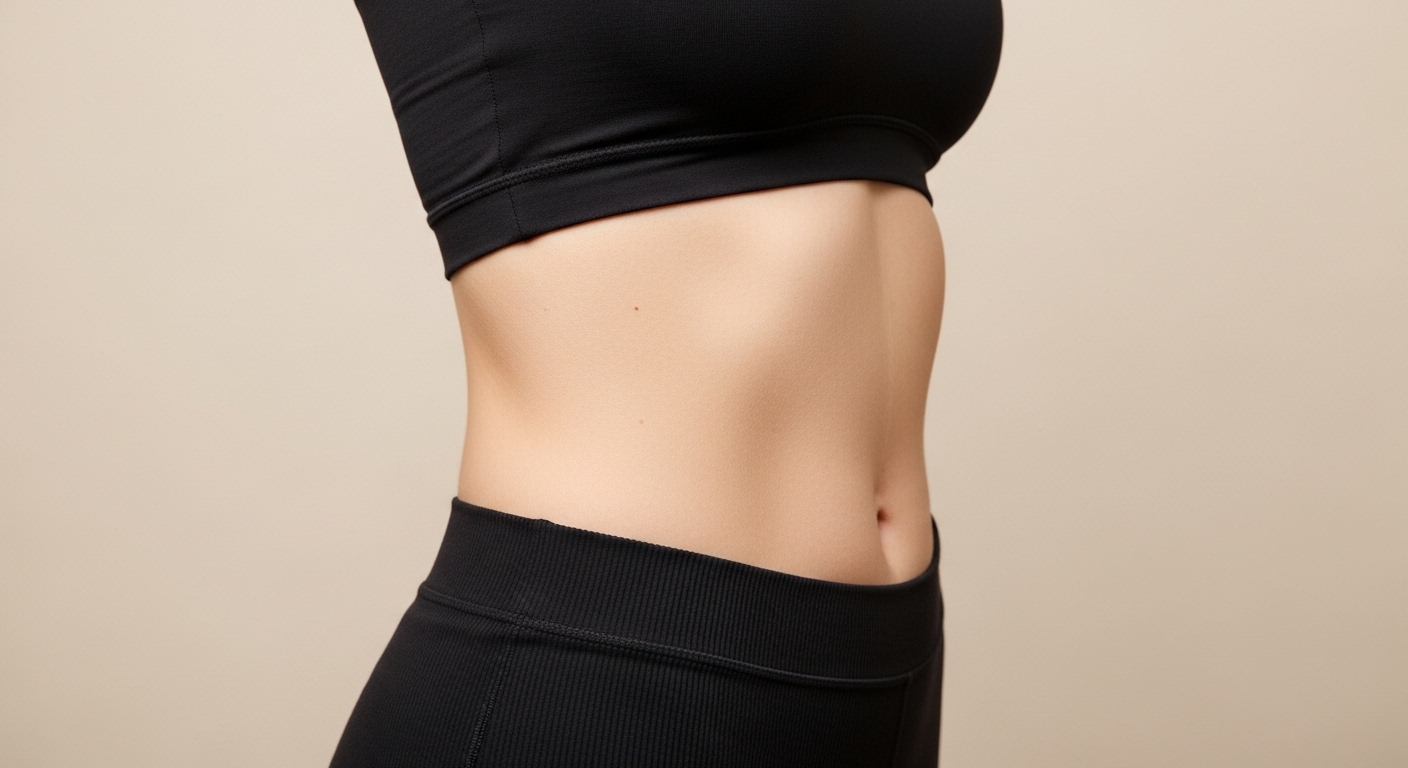
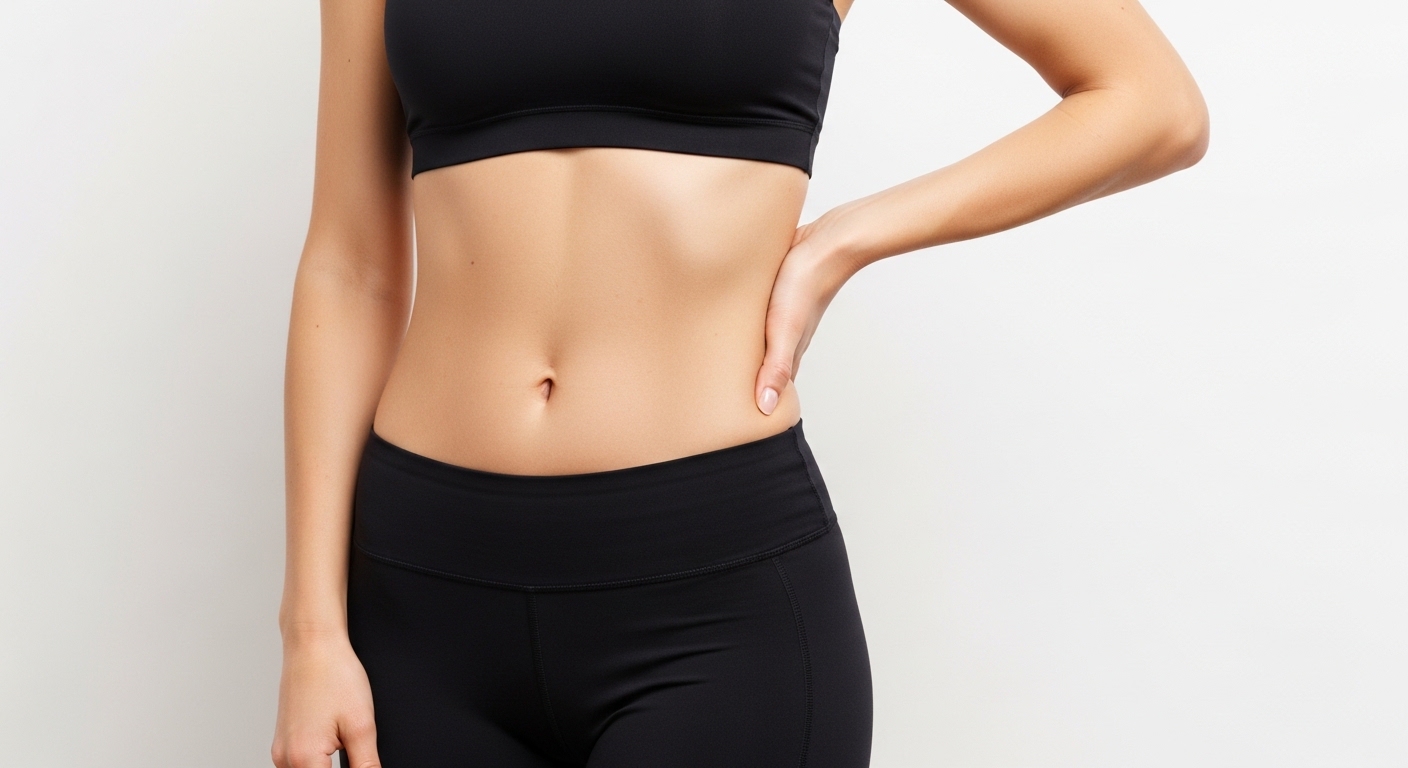
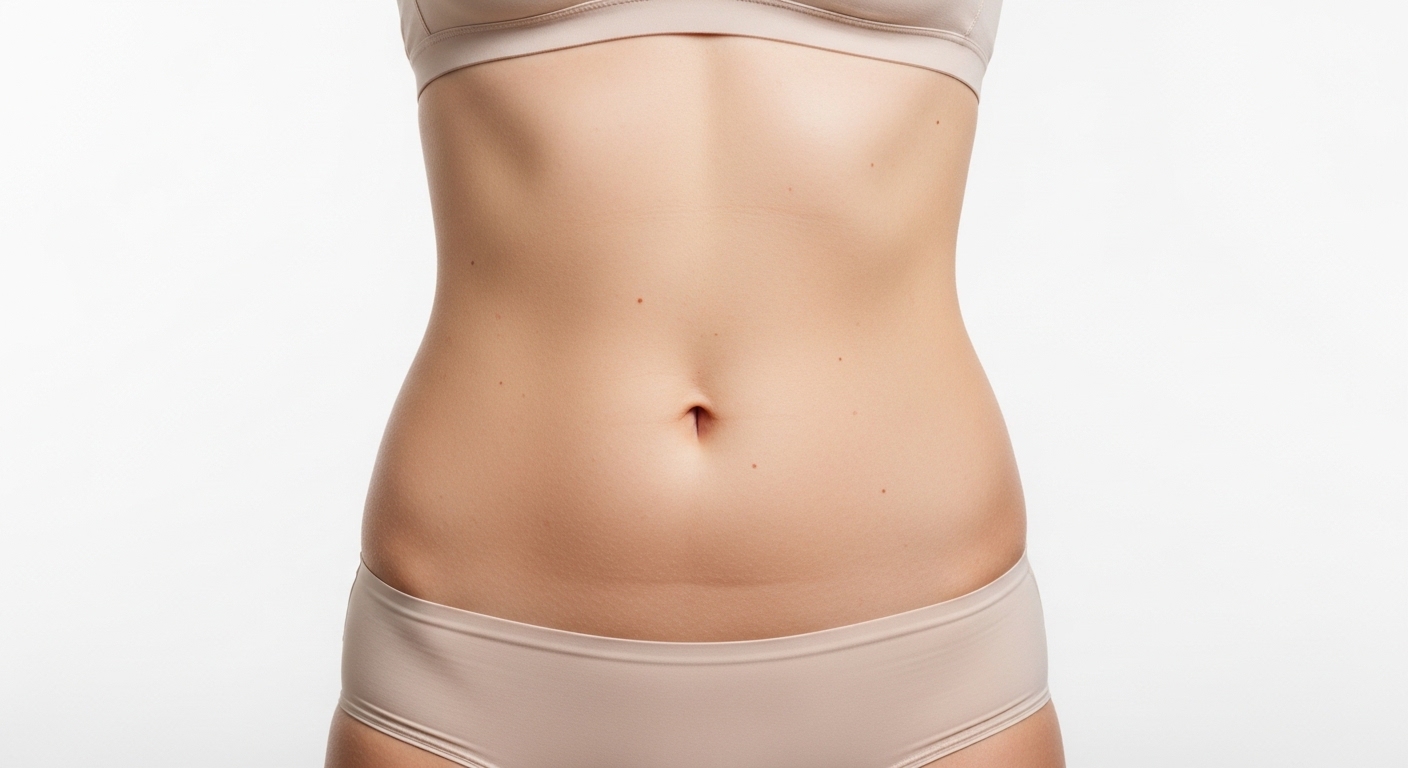
Abdominal Liposuction
Achieve a balanced, natural-looking profile by targeting stubborn fat deposits that diet and exercise leave behind.
1. What Is Abdominal Liposuction?
Abdominal liposuction is a specialized body contouring procedure designed to selectively remove localized fat deposits from the stomach area. For many individuals, the abdomen is a primary storage site for adipose tissue (fat), which can be genetically predisposed to resist traditional weight loss methods. This procedure utilizes suction techniques to extract fat cells from the subcutaneous layer—the fat found directly beneath the skin but above the abdominal muscles.
It is crucial to understand that abdominal liposuction is not a weight loss surgery. Unlike bariatric procedures which aim to reduce overall body mass and treat obesity, liposuction is an aesthetic intervention. Its primary goal is to reshape the body’s contours, smooth out disproportionate bulges, and create a more harmonious silhouette. By reducing the volume of fat in specific zones, the underlying musculature can become more defined, and clothes often fit more comfortably.
The procedure is highly customizable. It can target the upper abdomen, the lower abdomen (often referred to as the “paunch”), and the flanks to create a comprehensive improvement in the midsection. However, because it is a contouring tool, the best outcomes are seen in patients who are already close to their ideal body weight but are struggling with specific “trouble spots” that disrupt their body confidence.
Related procedures: 360 Liposuction, Arm Liposuction, Thigh Liposuction.
2. Why Does Abdominal Fat Resist Diet and Exercise?
It is a common source of frustration: you maintain a healthy diet, you engage in regular cardiovascular and strength training exercises, yet the layer of fat across your midsection remains unchanged. This resistance is often biological rather than a failure of effort. To understand why abdominal liposuction is often the necessary solution, one must understand the biology of fat storage.
Subcutaneous vs. Visceral Fat
The abdomen contains two distinct types of fat. Visceral fat is located deep within the abdominal cavity, surrounding the internal organs. This type of fat typically responds well to diet and exercise because it is metabolically active. However, subcutaneous fat—the pinchable layer just under the skin—function differently. This is the fat targeted by liposuction.
The Role of Genetics and Hormones
Genetics play a significant role in where your body chooses to store energy. If your parents tended to carry weight in their midsection, you are statistically more likely to do the same. Furthermore, fat cells in the abdomen have different receptors than fat cells in other parts of the body. Subcutaneous abdominal fat is often richer in “alpha-2” receptors, which signal the cell to hold onto fat, and lower in “beta” receptors, which signal the cell to release it for energy.
Hormonal fluctuations, particularly cortisol (the stress hormone) and insulin, also encourage fat storage specifically in the abdominal region. For many patients, no amount of caloric deficit can override these biological programming signals to release subcutaneous fat stores, making surgical extraction a logical option for contouring.
3. Who May Consider Abdominal Liposuction?
Identifying the right candidate is the most critical step in ensuring a safe procedure and a satisfying result. Abdominal liposuction is not a universal solution for all abdominal concerns. The ideal candidate is an individual who views the procedure as a finishing touch to a healthy lifestyle, rather than a starting line for weight loss.
General Candidacy Criteria
- Stable Weight: Candidates should be within 30% of their ideal body weight and have maintained a stable weight for at least six months. Significant weight fluctuations after surgery can compromise results.
- Localized Deposits: The patient should have clearly defined areas of fat that are disproportionate to the rest of their body.
- Good Health: Candidates must be non-smokers without serious medical conditions that could impair healing, such as uncontrolled diabetes or heart disease.
The “Pinch” Test
A simple way to gauge potential candidacy is the pinch test. Because liposuction only targets subcutaneous fat, the fat must be accessible. If you can pinch the fat and pull it away from the muscle, it is likely subcutaneous. If the abdomen is distended, hard, and round like a drum, but the skin is tight and cannot be pinched, this usually indicates visceral fat (intra-abdominal fat). Visceral fat cannot be removed via liposuction and must be addressed through lifestyle changes or weight management.
4. Abdominal Liposuction vs. Abdominoplasty: Understanding the Difference
One of the most common misconceptions in aesthetic medicine is that liposuction and a tummy tuck (abdominoplasty) are interchangeable. They are, in fact, distinct procedures that address different anatomical layers of the abdomen.
Abdominal Liposuction
- Targets: Excess subcutaneous fat only.
- Does Not Address: Excess skin or muscle separation.
- Incision: Tiny punctures (millimeter size) requiring minimal downtime compared to open surgery.
- Ideal For: Patients with good skin elasticity and no muscle separation who simply want to reduce volume.
Abdominoplasty (Tummy Tuck)
- Targets: Excess skin and muscle laxity (diastasis recti).
- Mechanism: Surgically removes loose skin and sutures the abdominal muscles back together to create an internal corset.
- Incision: A hip-to-hip incision that leaves a permanent scar.
- Ideal For: Patients with loose, hanging skin (often after pregnancy or massive weight loss) or separated muscles that cause a protruding belly.
If a patient with significant skin laxity undergoes abdominal liposuction alone, the removal of fat can leave the skin looking deflated and wrinkly, much like a balloon that has lost its air. In some cases, a combination of both procedures is recommended to achieve the desired contour.
Interested in multi-area contouring? See: 360 Liposuction.
5. The Role of Skin Elasticity in Abdominal Liposuction Results
When considering abdominal fat removal, the quality of your skin is just as important as the quantity of fat. Think of your skin as a garment. If you lose volume beneath the garment, the fabric needs to be elastic enough to shrink down and fit the new, smaller shape.
Why Elasticity Matters
Younger patients and those with genetically resilient skin typically have high elasticity. After the fat is suctioned out, their skin retracts smoothly over the abdominal muscles, revealing a toned look. However, skin elasticity naturally diminishes with age, sun damage, smoking, and previous stretching (such as pregnancy).
Assessing Your Skin
During your consultation, your surgeon will assess your skin’s “snap-back” ability. If your skin appears thin, crepey, or hangs loosely, relying solely on liposuction may result in contour irregularities or sagging. In such cases, your surgeon may suggest alternative treatments or a tummy tuck to ensure the skin is as tight as the new contour requires. Understanding your skin’s limitations is vital to managing expectations and achieving a smooth result.
6. Fat Distribution Patterns in the Abdominal Area
The abdomen is not a single uniform zone; it is composed of several aesthetic units that must be treated artistically to ensure a natural look. Fat distribution patterns vary significantly between individuals and often between biological sexes.
Upper Abdomen
Fat in the upper abdomen (above the navel) tends to be more fibrous and dense. Treating this area requires precision to ensure a smooth transition into the chest or breast area without leaving a visible “step-off” or ridge.
Lower Abdomen
The lower abdomen (below the navel) typically houses softer, deeper fat deposits. This area is often the primary concern for patients, presenting as a “pooch” or overhang. This deep layer of fat is often very responsive to suctioning.
The Flanks and Waist
Successful abdominal contouring rarely stops at the front of the stomach. To maintain proportion, the flanks (“love handles”) often need to be addressed simultaneously. Treating the abdomen without addressing the flanks can result in a boxy or square appearance. By extending the contouring to the sides, the surgeon can accentuate the waistline, creating a more tapered, athletic, or hourglass shape depending on the patient’s goals.
7. Pre-Procedure Evaluation and Treatment Planning
Your journey begins with a comprehensive medical evaluation. This is not just a formality; it is a safety necessity. Your surgeon will review your complete medical history, including past surgeries, current medications, and any chronic conditions.
Physical Examination
The surgeon will physically examine your abdomen to determine the location of fat deposits. They will check for hernias (which are common near the navel) and assess for diastasis recti (muscle separation). If an untreated hernia is present, liposuction could be dangerous, so a thorough exam is mandatory.
Setting the Plan
During this phase, you and your doctor will discuss your goals. The surgeon will mark your skin to create a topographic map of the areas to be reduced and the areas to be feathered or blended. This blueprint ensures that the outcome is as symmetrical as possible and natural-looking.
8. Recovery and Return to Daily Activities After Abdominal Liposuction
Recovery from abdominal liposuction is generally well-tolerated, but it requires patience and adherence to post-operative instructions.
The Compression Garment
Immediately after the procedure, you will be placed in a medical-grade compression garment. This is one of the most important aspects of recovery. The garment minimizes swelling, prevents fluid accumulation, and acts as a mold, helping your skin adhere to the new contours. You will typically wear this garment for several weeks.
Timeline for Healing
- Days 1-3: Expect soreness similar to a very intense ab workout. There may be leakage of fluid from incision sites, which is normal.
- Week 1: Most patients can return to non-strenuous work (desk jobs) within 5 to 7 days, though swelling will still be present.
- Weeks 2-4: Bruising typically fades. You may begin light walking, but strenuous exercise and heavy lifting should be avoided to prevent complications.
- Months 1-6: Residual swelling (edema) can persist for months. While you will see an immediate difference, the final “shrink-wrapped” result usually becomes visible around the 3 to 6-month mark as the tissues fully settle.
9. Are Abdominal Liposuction Results Permanent?
One of the most encouraging aspects of this procedure is that the removal of fat cells is permanent. Once a fat cell is suctioned out of the body, it cannot regenerate.
However, “permanent removal” does not mean “immunity to weight gain.” You still have remaining fat cells in the treated area and throughout the rest of your body. If you consume excess calories and gain a significant amount of weight after surgery, the remaining fat cells can expand (hypertrophy).
If you gain weight post-surgery, you may find that you gain it more evenly across your body rather than in the previously troublesome abdominal pocket. To protect your investment and maintain your new contour, it is essential to continue a lifestyle of healthy nutrition and regular physical activity.
10. Important Considerations and Realistic Expectations
Perfection vs. Improvement
The goal of body contouring is significant improvement, not absolute perfection. The human body is naturally asymmetrical, and minor variations between the left and right sides may persist.
Skin Irregularities
In some cases, the skin may have a slightly wavy or rippled appearance after fat removal. This is more common in older patients or those with thinner skin. Massages and follow-up treatments can sometimes help, but it is a risk to be aware of.
Cellulite
It is important to note that abdominal liposuction is not a cure for cellulite. Cellulite is caused by fibrous bands pulling down on the skin, not just the volume of fat. In some instances, removing the fat can make cellulite more visible if the skin becomes looser.
11. Frequently Asked Questions
- Is abdominal liposuction painful?
Most patients report feeling soreness rather than sharp pain, often described as feeling like the day after a very heavy workout. Pain medication is provided for the first few days, but many patients switch to over-the-counter options quickly. - Will this procedure get rid of my stretch marks?
No. Liposuction removes fat from beneath the skin. It does not remove the skin itself, so stretch marks will remain. If removing stretch marks is a priority, a tummy tuck may be a better option. - Can I get pregnant after abdominal liposuction?
Yes, the procedure does not affect your ability to get pregnant. However, pregnancy will stretch the skin and abdominal muscles again, which may alter your results. It is generally recommended to wait until you have finished having children. - How much fat can be removed safely?
Safety limits vary by patient and jurisdiction, but generally, surgeons avoid removing more than 5 liters of fat in a single outpatient session to minimize risks regarding fluid balance and safety. - What happens to the excess skin?
If your skin has good elasticity, it will retract on its own. If you have significant loose skin, it may sag. Your surgeon will evaluate this beforehand and may recommend a skin-tightening procedure if necessary. - Is the procedure safe for men?
Absolutely. Men are frequent candidates for abdominal liposuction. The technique is often modified to preserve a more masculine, square torso shape rather than an hourglass curve. - Can I combine this with other procedures?
Yes, it is often combined with breast surgeries. This depends on your overall health and the length of surgical time required. - What is a “seroma”?
A seroma is a pocket of fluid that can form under the skin after surgery. It is a common minor complication that can be drained easily in the doctor’s office. Wearing your compression garment helps prevent this. - Will my belly button shape change?
Usually, the navel remains in place. However, as the fat surrounding it is reduced, the navel may appear smaller or more vertically oriented, which is generally considered aesthetically pleasing. - How soon can I exercise?
Walking is encouraged immediately to improve circulation. Heavy lifting and high-intensity cardio should typically be avoided for 4 to 6 weeks to ensure incisions heal and swelling subsides. - Does liposuction treat “beer belly”?
Usually, no. A hard, protruding “beer belly” is typically caused by visceral fat around the organs. Liposuction can only remove the soft, pinchable subcutaneous fat on top. - When will I see the final results?
You will see a change immediately, but the final contour is usually obscured by swelling. The true, final result is typically visible after 3 to 6 months when all swelling has resolved and skin has retracted. - What are the risks of infection?
Infection is rare in liposuction due to the small incision size and sterile technique. You will likely be given prophylactic antibiotics to further reduce this risk.
12. Doctor and Clinic Philosophy
We believe that successful body contouring requires a partnership between the surgeon and the patient, built on transparency and medical integrity. Our philosophy focuses on Safety First, Aesthetics Second.
We are committed to meticulous patient selection. We will never recommend abdominal liposuction if we believe a patient is better suited for a tummy tuck, or if they have visceral fat that surgery cannot address. We believe in educating our patients about the limitations of the procedure just as much as the benefits.
Our post-procedure care is comprehensive. We understand that the recovery period is when you have the most questions, and we are dedicated to following your progress from the moment you leave the operating room until your final reveal months later. Your confidence and safety are our highest priorities.
13. Consultation and Appointment Request
Taking the step to reshape your body is a personal and exciting decision. If you have been struggling with stubborn abdominal fat that detracts from your confidence, we invite you to discuss your options with us.
During your consultation, we will perform a thorough evaluation of your anatomy, skin quality, and fat distribution to create a personalized treatment plan that aligns with your goals.
Take the next step toward a more defined you.
Request Your Consultation
Post a comment