

Arm Liposuction
Targeted contouring for stubborn upper arm fat that resists diet and exercise.
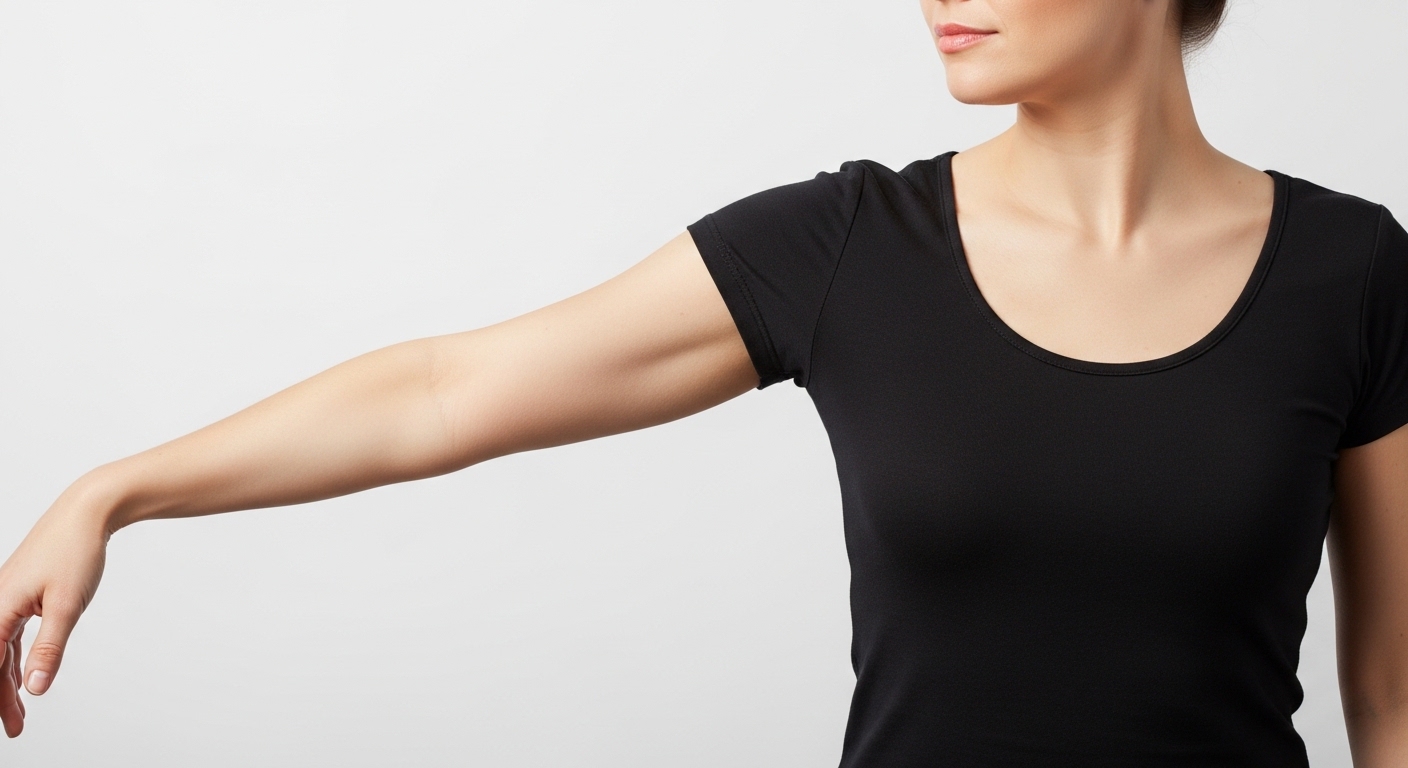
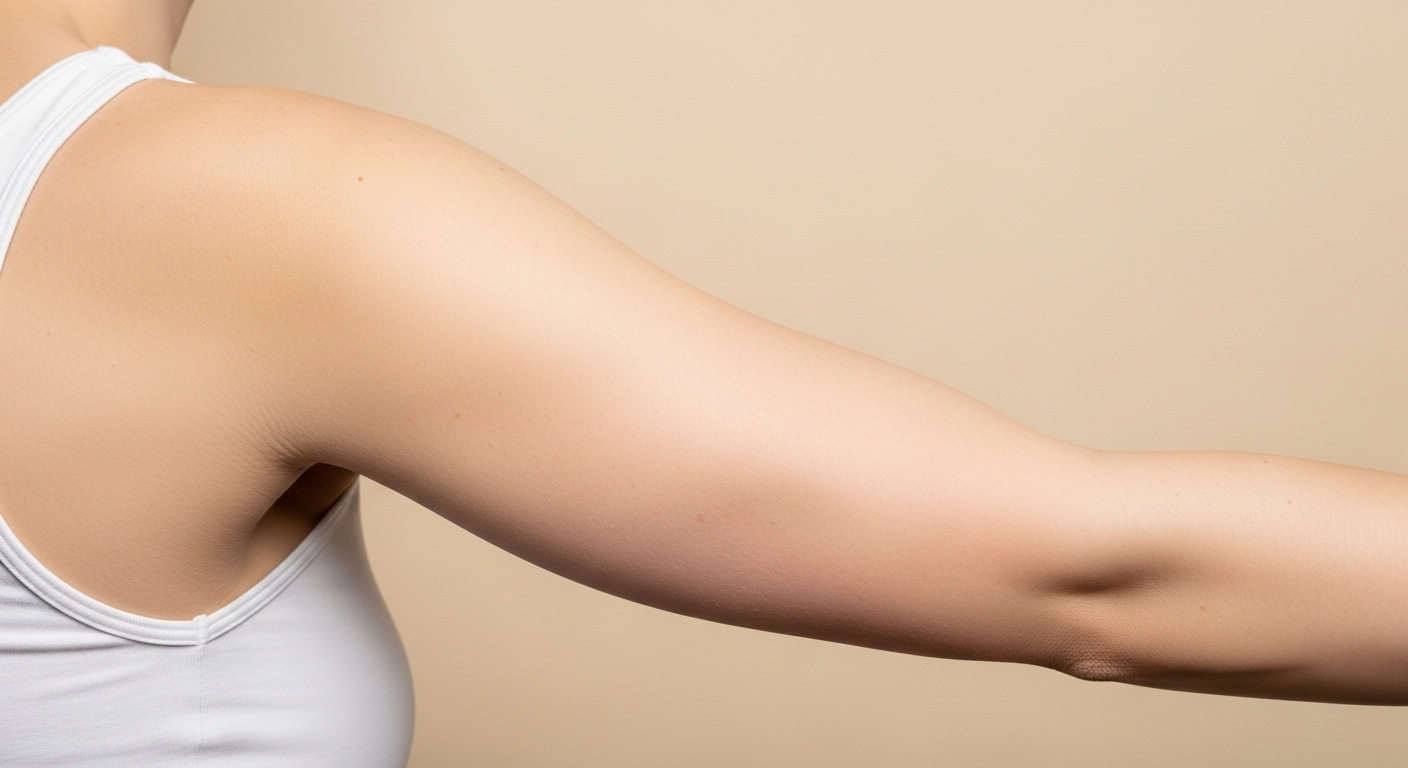
Discover a more proportionate and defined arm contour. If you are struggling with localized fat deposits that hide your muscle definition, arm liposuction offers a pathway to a slimmer silhouette without the need for extensive skin excision.
What Is Arm Liposuction?
Arm liposuction is a specialized body contouring procedure designed to selectively remove subcutaneous fat deposits from the upper arms. Unlike general weight loss strategies that shrink fat cells across the entire body, this surgical intervention physically removes fat cells from specific target areas. The primary goal is to improve the arm’s shape, reduce circumference, and create a more harmonious balance with the rest of the upper body.
This procedure is strictly a contouring tool, not a weight loss solution. It is most effective for individuals who are near their ideal body weight but are bothered by disproportionate fullness in the upper arms. By using precise suction techniques, we can sculpt the posterior and lateral aspects of the arm, revealing the natural musculature underneath. It is important to note that while arm liposuction significantly reduces fat volume, the quality of the final result relies heavily on the skin’s ability to retract and conform to the new, slimmer volume.
Related: Abdominal Liposuction • Thigh Liposuction • 360 Liposuction
Why Does Upper Arm Fat Persist Despite Diet and Exercise?
Many patients find themselves frustrated by the stubborn nature of upper arm fat. You may adhere to a strict diet and maintain a consistent workout regimen, yet the “bat wing” area remains unchanged. This is often due to genetic predispositions and hormonal factors that dictate where your body stores fat.
For many people, the upper arms act as a primary storage depot for subcutaneous fat. Once these fat cells accumulate, they can be incredibly resistant to metabolic changes. While strength training can build the triceps and biceps muscles, it does not spot-reduce the fat layer covering them. This biological reality is why so many fit, healthy individuals turn to upper arm liposuction to achieve the definition that exercise alone has not provided.
Who May Consider Arm Liposuction?
Determining candidacy is the first and most critical step in the treatment process. The ideal candidate for this procedure is an adult who:
- Has localized excess fat in the upper arm area.
- Maintains a stable weight and is generally healthy.
- Possesses good skin elasticity (the skin’s ability to snap back after stretching).
- Does not smoke, as smoking can impair healing and skin retraction.
- Has realistic expectations regarding the outcome of body contouring.
Patients with significant weight fluctuations or those actively seeking to lose a large amount of weight should typically postpone the procedure until their weight has stabilized. Stability ensures that the results of your arm fat removal are long-lasting and predictable.
Arm Liposuction vs Arm Lift: Understanding the Difference
A common misconception is that liposuction and arm lifts (brachioplasty) are interchangeable. They are, in fact, distinct procedures addressing different problems.
Arm Liposuction
Arm liposuction targets excess fat. It relies on the patient’s existing skin elasticity to contract over the reduced arm volume. If your skin is firm and your primary concern is fullness, liposuction is likely the appropriate choice.
Arm Lift (Brachioplasty)
An arm lift targets excess skin. If you have significant skin laxity, “crepey” skin texture, or hanging folds of skin (often seen after massive weight loss), removing fat alone may result in a deflated appearance with more visible sagging. In these cases, an arm lift—which involves surgically excising loose skin—may be necessary. During your consultation, we assess skin quality to ensure you are matched with the procedure that will deliver the most aesthetic result.
The Role of Fat Distribution and Skin Elasticity
The success of arm liposuction is inextricably linked to two factors: where the fat is located and how elastic the skin is.
- Fat Distribution: The procedure targets subcutaneous fat located between the muscle and the skin. Deep fat or visceral fat is not treated with liposuction. We map the areas of maximal fullness—typically the posterior (back) and lateral (outer) arm—to ensure even reduction.
- Skin Elasticity: After the fat is removed, the skin must shrink to fit the new, smaller arm. Younger patients or those with genetically resilient skin often see excellent retraction. However, if elasticity is compromised due to sun damage, aging, or stretch marks, the skin may not retract smoothly. In such scenarios, we discuss the trade-offs between fat reduction and potential skin laxity to manage expectations transparently.
Arm Anatomy and Contouring Principles
Aesthetically pleasing arms are not just “thin”; they have a natural contour that tapers from the shoulder down to the elbow. An anatomical approach to arm liposuction respects these natural curves.
- Posterior Arm: This is the area commonly referred to as the “bat wing.” Reducing fat here significantly improves the silhouette when the arm is lifted.
- Lateral Deltoid Region: The transition from the shoulder to the arm should be smooth. Over-resection here can look unnatural, so careful blending is required.
- Axillary Region: Small pockets of fat near the armpit (axilla) can also be addressed to ensure a seamless look, particularly when wearing sleeveless clothing.
Our goal is to sculpt the arm in a way that looks proportional to your shoulders and chest, avoiding a “stick-like” appearance that lacks natural shape.
General Approaches to Arm Liposuction
While techniques vary, the fundamental principle involves breaking down fat cells and gently suctioning them away. Most modern procedures utilize a tumescent technique. This involves infiltrating the fatty tissue with a saline solution containing epinephrine (to minimize bleeding) and lidocaine (for local anesthesia). This fluid causes the fat compartments to swell and firm up, allowing for smoother, more precise removal with smaller instruments (cannulas).
In some cases, energy-assisted technologies may be used to help liquefy fat or stimulate mild skin contraction. Regardless of the specific device used, the artistry lies in the surgeon’s hand—knowing how much fat to remove and, crucially, how much to leave behind to maintain a soft, natural feel and appearance.
Pre-Procedure Evaluation and Treatment Planning
Your journey begins with a comprehensive medical evaluation. We review your medical history, current medications, and any previous surgeries. We will examine your upper arms to assess the fat-to-skin ratio and check for any underlying muscular asymmetries.
Treatment planning is highly individualized. We do not use a “cookie-cutter” approach. If you have more fullness near the elbow or a heavier concentration near the shoulder, the surgical plan is adjusted accordingly. We also discuss what you can expect in terms of scarring—liposuction incisions are typically very small (only a few millimeters) and placed in discreet locations like the elbow crease or armpit.
Recovery and Return to Daily Activities After Arm Liposuction
Recovery from arm liposuction is generally considered manageable, but adherence to post-operative instructions is vital for optimal results.
- Compression Garments: You will be required to wear compression sleeves for several weeks. These garments minimize swelling, support the tissues as they heal, and help the skin retract evenly.
- Swelling and Bruising: Expect mild to moderate swelling and bruising, which usually peaks within the first few days and gradually subsides over 2–4 weeks.
- Activity: Most patients can return to light desk work within a few days. However, strenuous upper body exercise, heavy lifting, or activities that raise blood pressure should be avoided for several weeks to prevent bleeding and increased swelling.
- Final Results: While you may see an immediate difference in contour, final results become visible only after residual swelling has fully resolved and the skin has settled, which can take 3 to 6 months.
Are Arm Liposuction Results Permanent?
The fat cells removed during arm liposuction are permanently gone. They cannot regenerate. However, this does not mean you are immune to future weight changes. The remaining fat cells in the arms (and the rest of the body) can still expand if you gain weight.
To maintain your new contour, it is essential to maintain a stable weight through a balanced lifestyle. Significant weight gain can alter the results, potentially leading to new contour irregularities. Conversely, if you lose weight after the procedure, your results may be enhanced as the overall volume decreases further.
Important Considerations and Realistic Expectations
We believe in empowering our patients with honesty. It is important to understand that no two bodies are identical, and symmetry is rarely perfect in nature. While we strive for symmetry, minor differences between the left and right arms may persist.
Furthermore, arm fat removal improves shape, but it does not perfect skin texture. Cellulite or surface irregularities present before surgery may remain unchanged. Having realistic expectations—aiming for improvement and harmony rather than perfection—is the key to a satisfying surgical journey.
Frequently Asked Questions
Is arm liposuction painful?
Most patients report feeling soreness similar to a rigorous workout rather than acute pain. Local anesthesia is used during the procedure to ensure comfort, and oral pain medication can manage post-operative tenderness in the first few days.
Will I have visible scars?
The incisions used for the cannula are very small, typically less than 5mm. They are strategically placed in natural creases or hidden areas like the armpit. Over time, these marks usually fade significantly and become barely noticeable.
Can I drive myself home after the procedure?
No. Because anesthesia or sedation is typically involved, you must arrange for a responsible adult to drive you home and ideally stay with you for the first 24 hours.
How long do I have to wear the compression sleeves?
While protocols vary, patients typically wear compression garments around the clock for the first 2–3 weeks, and then for part of the day or night for another few weeks. This is crucial for reducing swelling and aiding skin retraction.
Will liposuction get rid of my “bat wings”?
If your “bat wings” are primarily caused by excess fat, arm liposuction can effectively reduce them. However, if the hanging tissue is mostly loose skin, liposuction alone may not solve the issue and could require an arm lift.
Can I treat the fat near my armpit (axilla) at the same time?
Yes, the anterior axillary fold (the bulge near the bra strap or front of the armpit) is often treated in conjunction with the upper arms to create a smooth, continuous contour.
When can I start exercising my arms again?
You should engage in light walking immediately to promote circulation. However, targeted arm exercises or heavy lifting should be avoided for at least 3 to 4 weeks, or until cleared by your surgeon.
Is there an age limit for this procedure?
There is no specific upper age limit, provided you are in good health. However, older patients naturally have less skin elasticity, which is a major factor in the aesthetic outcome. We evaluate candidacy based on physiological health and skin quality rather than age alone.
What happens if I gain weight after the surgery?
If you gain a small amount of weight, it will likely distribute evenly. However, significant weight gain can cause remaining fat cells in the arms to enlarge, potentially diminishing your results.
Does arm liposuction tighten the skin?
Liposuction relies on the skin’s inherent elasticity to retract. While the inflammatory healing response can cause some mild tightening, the procedure itself is not a skin-tightening surgery.
How soon will I see results?
You may notice a change in silhouette immediately, but swelling will obscure the fine details. It typically takes about 3 to 6 months for the swelling to completely dissipate and the skin to settle into its final shape.
Can this be combined with other procedures?
Yes, upper arm liposuction is often performed alongside other body contouring procedures like tummy tucks or breast surgery, depending on the patient’s health and the surgeon’s recommendations.
Is the procedure safe?
Liposuction is one of the most commonly performed and studied cosmetic procedures. However, like all surgeries, it carries risks such as infection, bleeding, or contour irregularities. Choosing a qualified and experienced surgeon is the best way to mitigate these risks.
Does the fat come back in other places?
Fat does not “migrate.” If you gain weight, your body will store it in available fat cells throughout the body. Because you have fewer fat cells in your arms after liposuction, you may notice weight gain more in untreated areas.
Doctor and Clinic Philosophy
At our clinic, we believe that aesthetic surgery is a partnership between patient and surgeon. Our philosophy is rooted in patient safety, transparency, and natural-looking results. We prioritize extensive pre-operative assessments to ensure that arm liposuction is truly the right option for your anatomy. We are committed to ethical practices; if we believe a procedure will not meet your goals—for instance, if skin laxity is too severe for liposuction alone—we will be honest with you. Your long-term well-being and confidence are our highest metrics of success.
Consultation and Appointment Request
Taking the step to reshape your body is a personal decision, and we are here to support you with expert guidance. If you are ready to discuss your goals and evaluate your candidacy for arm liposuction, we invite you to schedule a private consultation. Together, we can create a personalized treatment plan designed to help you feel more confident in your skin.
Book Your Consultation Today
Post a comment